Building Strong Foundations for Future Academic Success
Strong Concepts · Smart Thinking · Confident Futures
Success in competitive examinations begins much before Class 11. A strong foundation in Mathematics and Science helps students develop conceptual understanding, analytical thinking and problem-solving abilities required for future academic challenges.
At Dnyanganga High School, our Foundation Course for Classes 5 to 10 is designed to nurture curiosity, strengthen academic fundamentals and prepare students for future opportunities such as Olympiads, Scholarship Examinations and, over time, JEE and NEET foundation-level learning.
Learning, Practising and Exploring Together
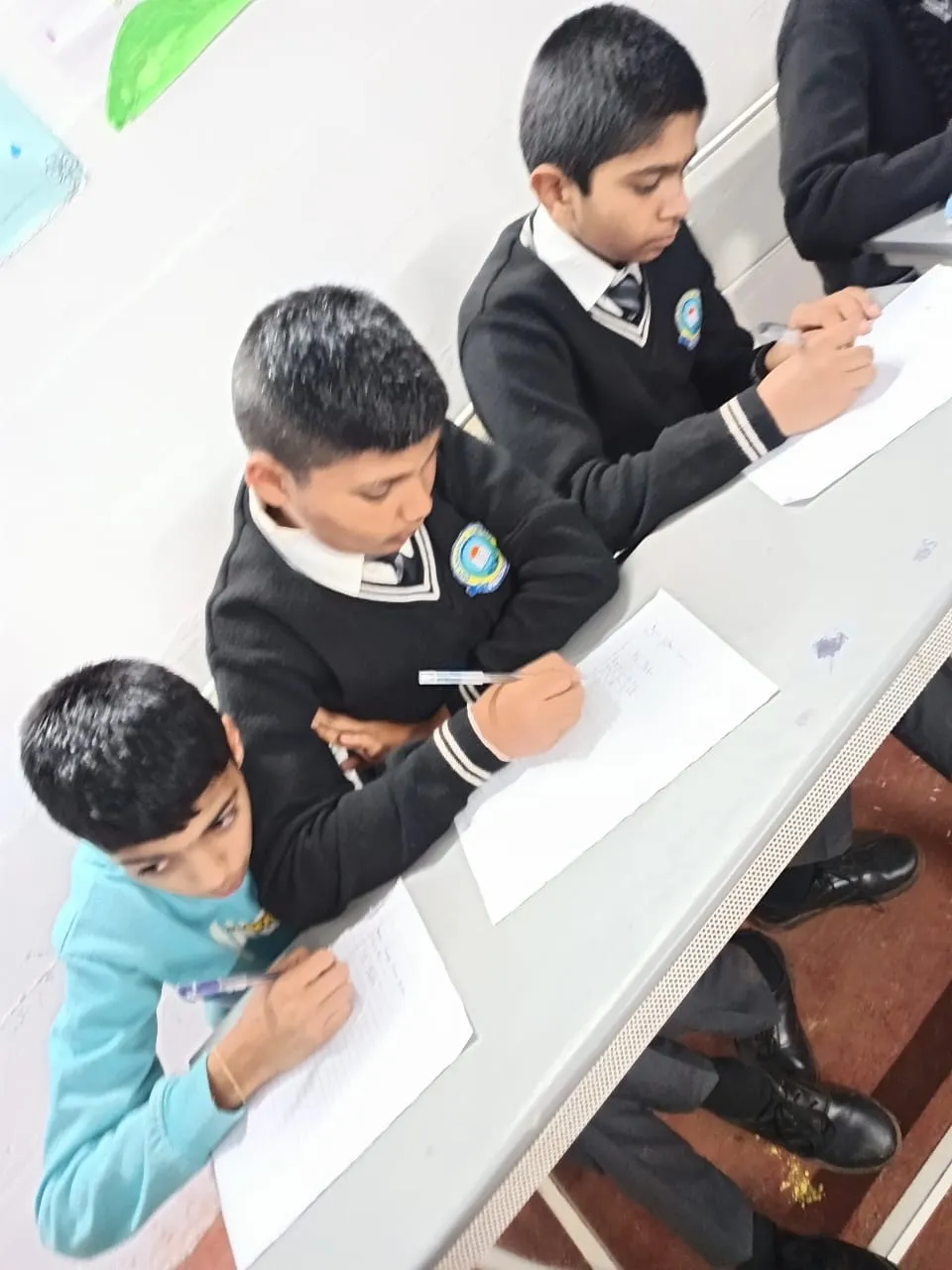
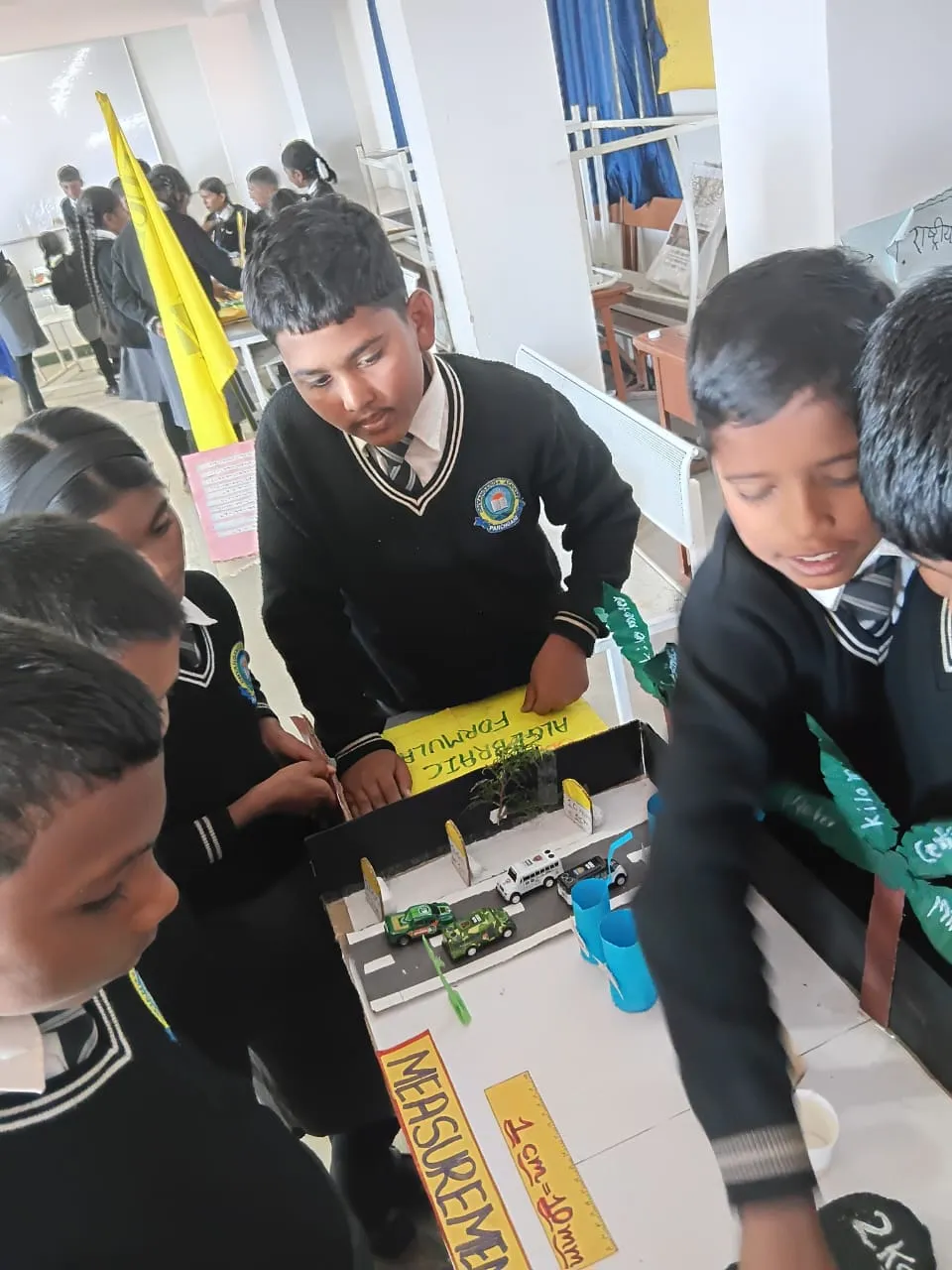
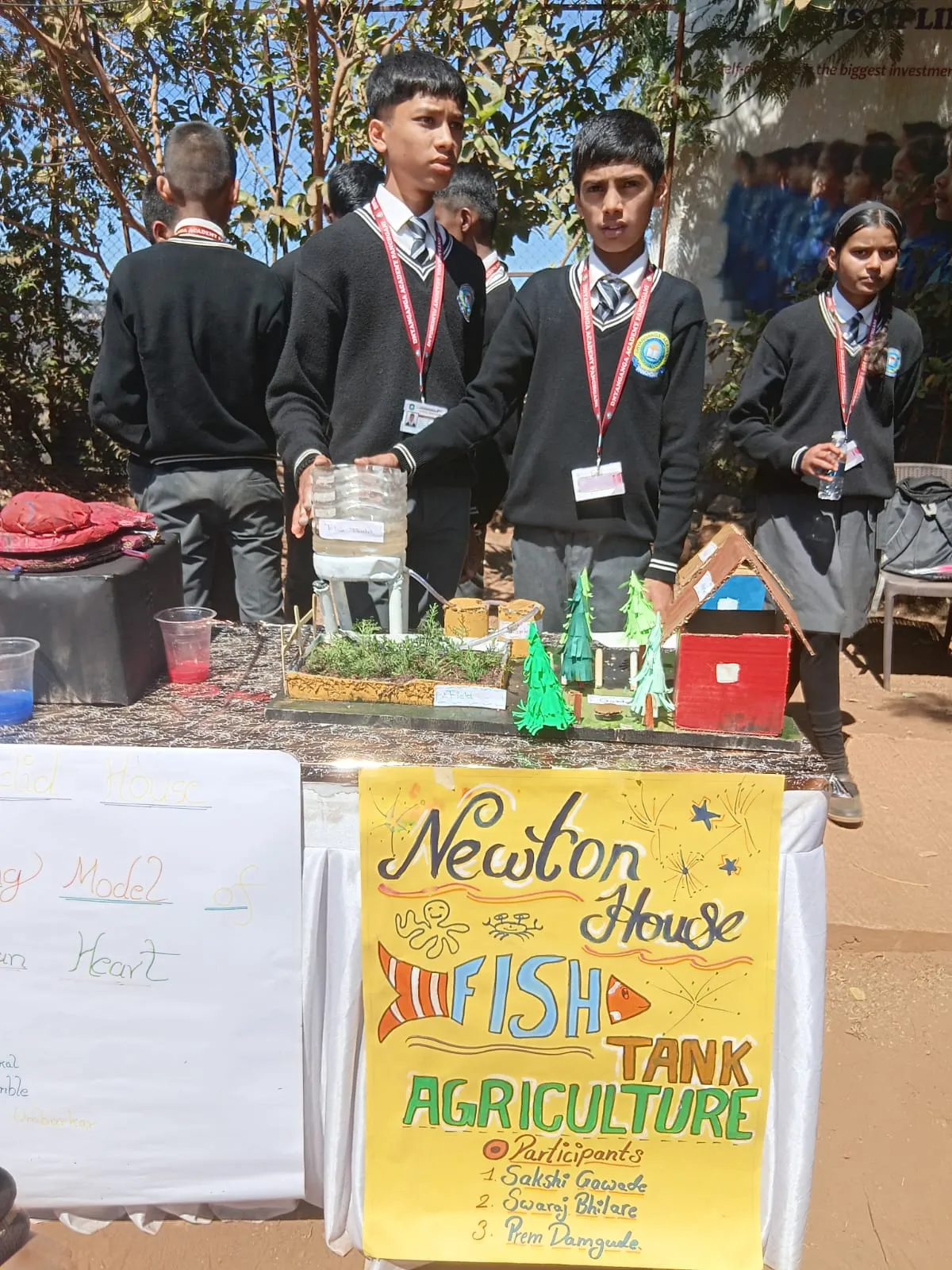
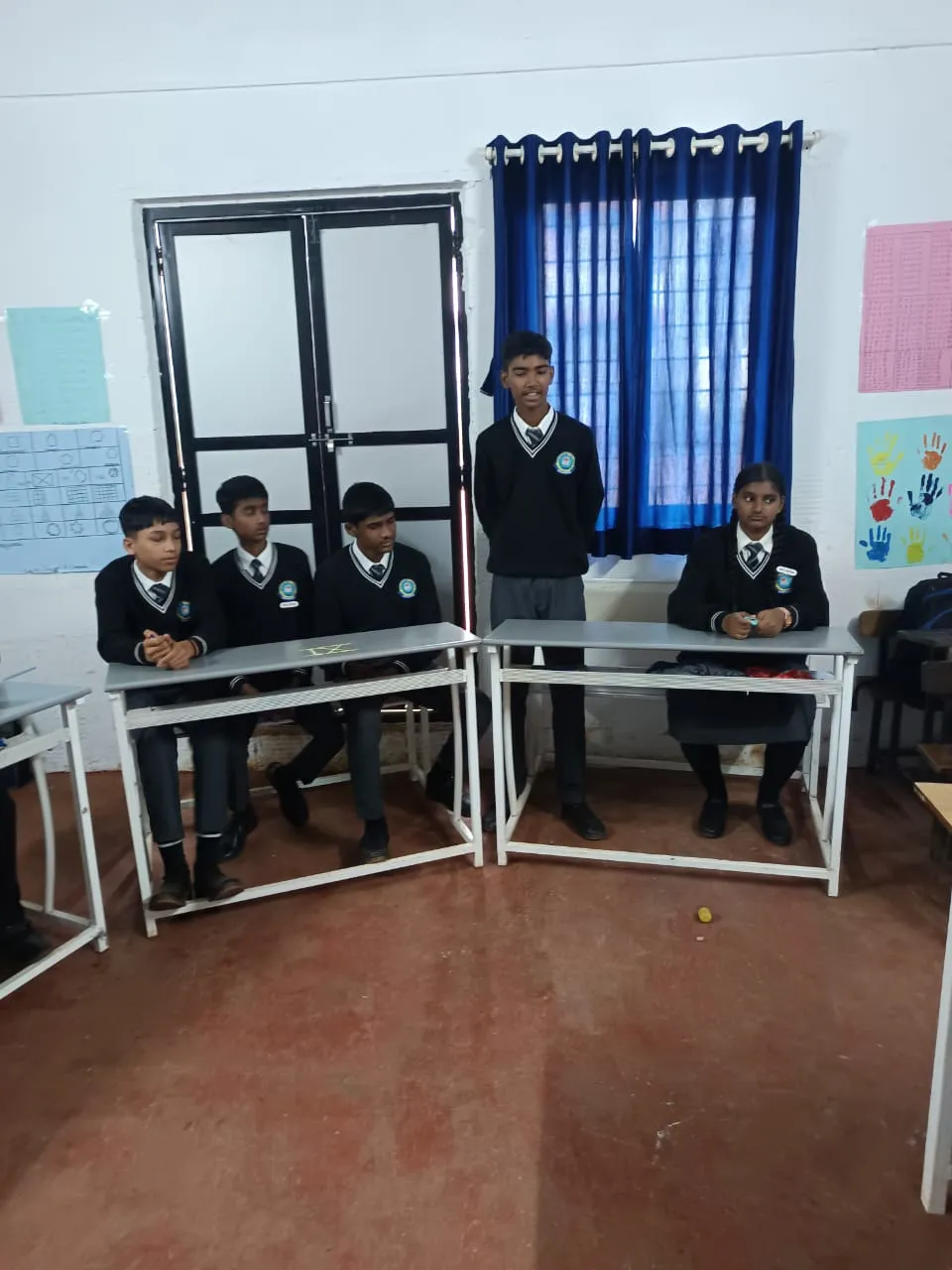
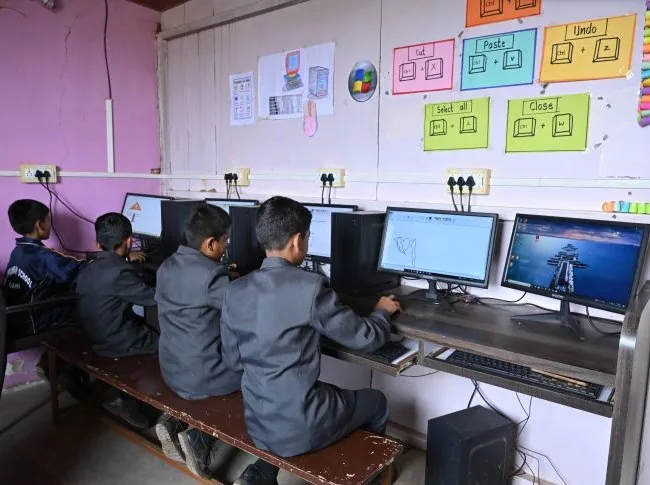
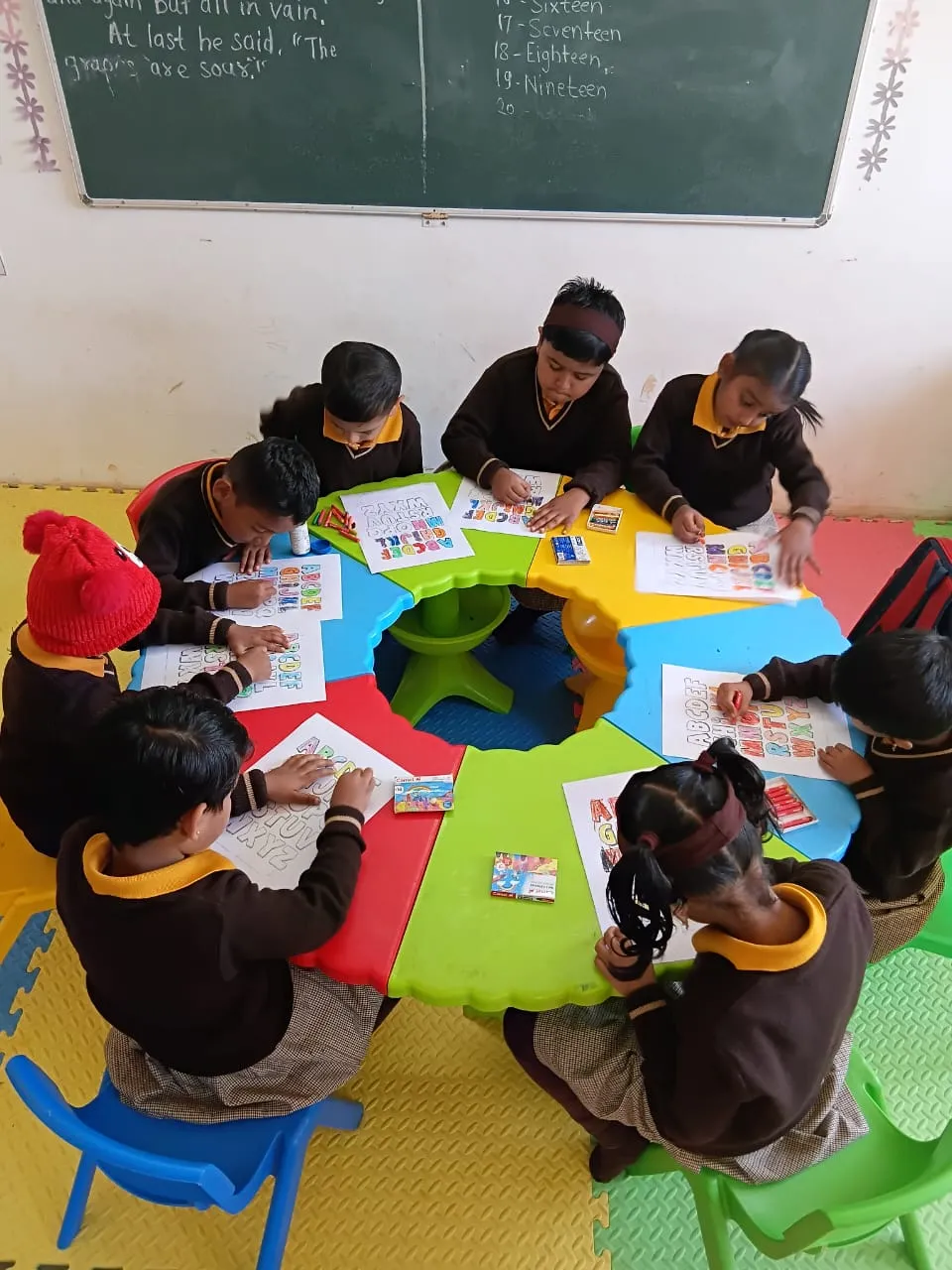

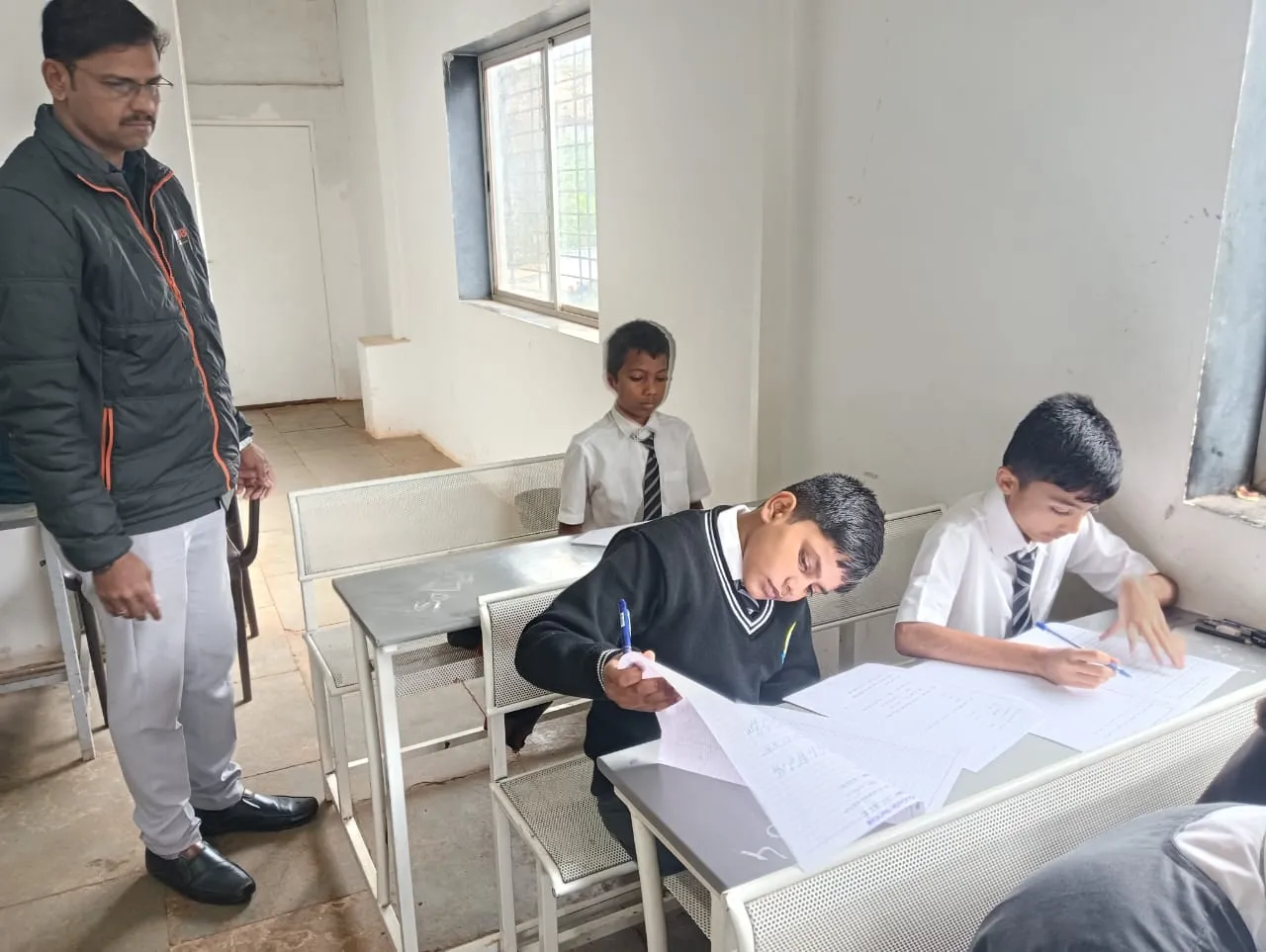
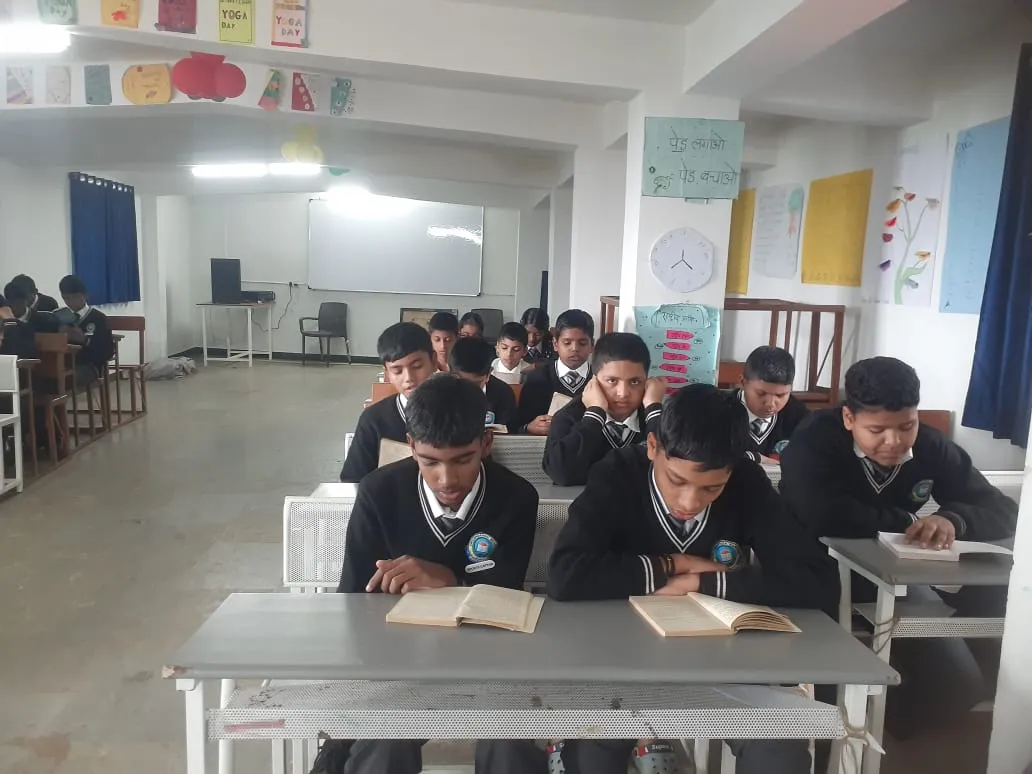
Understand. Practise. Assess. Improve.
Understand
Build clear conceptsPractise
Apply and solveAssess
Track progressImprove
Grow with feedbackConceptual Clarity
Understand the ‘why’ behind every concept — not just the steps to get an answer.
Logical Thinking
Build reasoning, observation and the ability to approach unfamiliar problems.
Application Skills
Connect classroom learning with practical situations and real-life examples.
Competitive Readiness
Gradually develop the skills needed for Olympiads and scholarship examinations.
Our belief: We prepare students not only to score better marks, but to understand concepts, apply knowledge and think independently.
A Learning Pathway for Every Stage
The course progresses with the student’s academic maturity — moving from curiosity and core skills to deeper understanding and competitive problem-solving.
Developing Curiosity
- Strengthen basic Mathematics and Science concepts.
- Develop numerical ability and logical reasoning.
- Encourage observation, questioning and exploration.
- Build confidence through activity-based learning.
Strengthening Fundamentals
- Develop deeper conceptual understanding.
- Introduce advanced problem-solving techniques.
- Strengthen mathematical reasoning and scientific aptitude.
- Practise Olympiad-style and scholarship-oriented questions.
Preparing for Competitive Excellence
- Build in-depth understanding of Mathematics and Science.
- Practise higher-order and application-based questions.
- Introduce JEE and NEET foundation-level concepts.
- Develop examination strategies and time management.
How Students Benefit
Olympiad Preparation
Exposure to challenging, application-based questions helps students strengthen conceptual depth, logical reasoning and confidence in Mathematics and Science competitions.
Scholarship Examination Preparation
Structured practice supports development in Mathematics, mental ability, reasoning, speed and accuracy — skills useful for relevant scholarship examinations.
Future Entrance-Exam Foundation
A gradual introduction to advanced concepts and multi-step problem-solving helps students prepare for the academic demands of higher secondary Science and future entrance examinations.
Thinking Beyond the Textbook
Students learn to move beyond routine textbook questions. They practise interpreting information, identifying patterns, applying concepts and explaining their reasoning.
| Skill Developed | How It Helps | Where It Is Useful |
|---|---|---|
| Conceptual understanding | Understand principles and connect related ideas. | Science & Mathematics Olympiads |
| Logical reasoning | Identify patterns, relationships and valid conclusions. | Scholarship and aptitude tests |
| Numerical ability | Work confidently with calculations and quantitative problems. | Mathematics competitions |
| Speed and accuracy | Choose efficient methods and reduce avoidable errors. | Timed examinations |
| Application skills | Apply classroom concepts to unfamiliar situations. | Higher-order questions & future entrance exams |
Examples of the Kind of Thinking Students Practise
Find the next number: 3, 8, 15, 24, 35, ?
Students look for a relationship between consecutive terms. The differences are 5, 7, 9 and 11; the next difference is 13. Answer: 48.
Skill: Pattern recognition and logical reasoning.
Why does a metal spoon feel colder than a wooden spoon when both are kept in the same room?
Students apply the concept of heat transfer: metal conducts heat away from the hand faster than wood. Both may be at the same room temperature.
Skill: Conceptual understanding and real-life application.
Examination pathways: Preparation can be aligned with relevant school-level, state-level and national-level Mathematics and Science Olympiads, and applicable scholarship examinations. Specific examination names, class eligibility and current-year rules should be confirmed for each academic year.
How We Support Student Progress
A strong foundation is built through consistent teaching, purposeful practice and timely feedback. Our course combines classroom learning with regular opportunities to apply and assess understanding.
Structured Teaching
A planned progression of concepts, examples and guided practice.
Regular Practice
Topic-wise exercises and graded questions to build confidence.
Periodic Assessments
Tests and practice papers to review understanding and exam readiness.
Feedback & Mentoring
Identify learning gaps, resolve doubts and guide improvement.
Why Start Early?
Students who develop strong fundamentals at an early stage are better equipped to understand advanced concepts in higher classes. Early preparation also gives them time to practise reasoning, build academic discipline and approach competitive examinations with confidence — without relying only on last-minute preparation.
The Foundation Course at a Glance
| Classes | Core Focus | Learning Outcome |
|---|---|---|
| 5–6 | Curiosity, basics, numerical ability | Confidence and strong fundamentals |
| 7–8 | Reasoning, deeper concepts, problem-solving | Readiness for advanced questions |
| 9–10 | Application, Olympiad & scholarship practice | Stronger preparation for future pathways |
Note: The specific Olympiad and scholarship examinations offered, their eligibility criteria and schedules may vary by class and academic year. Please contact the school for the current programme details.
Give Your Child the Advantage of a Strong Foundation
Start Early. Learn Better. Think Deeper. Achieve More.